Where Vegetarians Actually Get Zinc: Foods, Tips & 5 Recipes
September 17, 2026 · 4 min read
Zinc never makes the headlines, but it is the nutrient worth watching most carefully in vegetarian cooking. Plants absolutely contain zinc — the catch is that a compound called phytate makes it harder to absorb. Here is where zinc actually hides in a vegetarian kitchen, the prep tricks that unlock more of it, and five recipes with real numbers.
Why zinc deserves your attention
Zinc supports immune function, wound healing, and taste and smell — unglamorous jobs you only notice when they slip. Adults need 8 mg a day (women) or 11 mg (men), and vegetarians often land short — not because plants lack zinc, but because phytates in legumes and whole grains bind it in the gut.
The fix is not exotic. It is variety plus a few old-fashioned prep habits — the kind grandmothers did without knowing the chemistry.
The 5 best vegetarian zinc sources
These are the foods worth reaching for, with per-serving zinc numbers from our recipes:
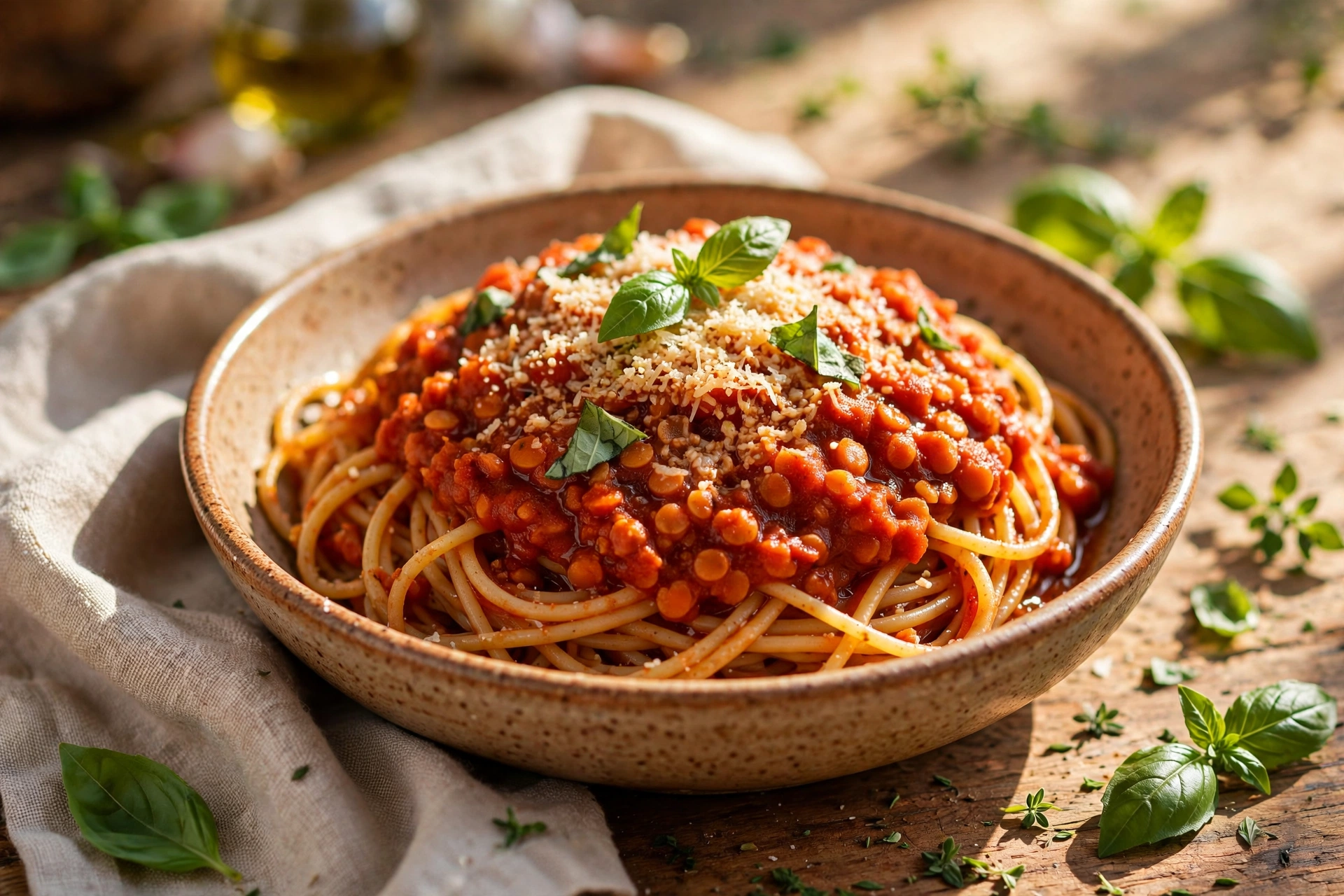
- Lentils in tomato sauce — Red Lentil Bolognese delivers 4.1 mg of zinc per serving, more than a third of most adults' daily needs.
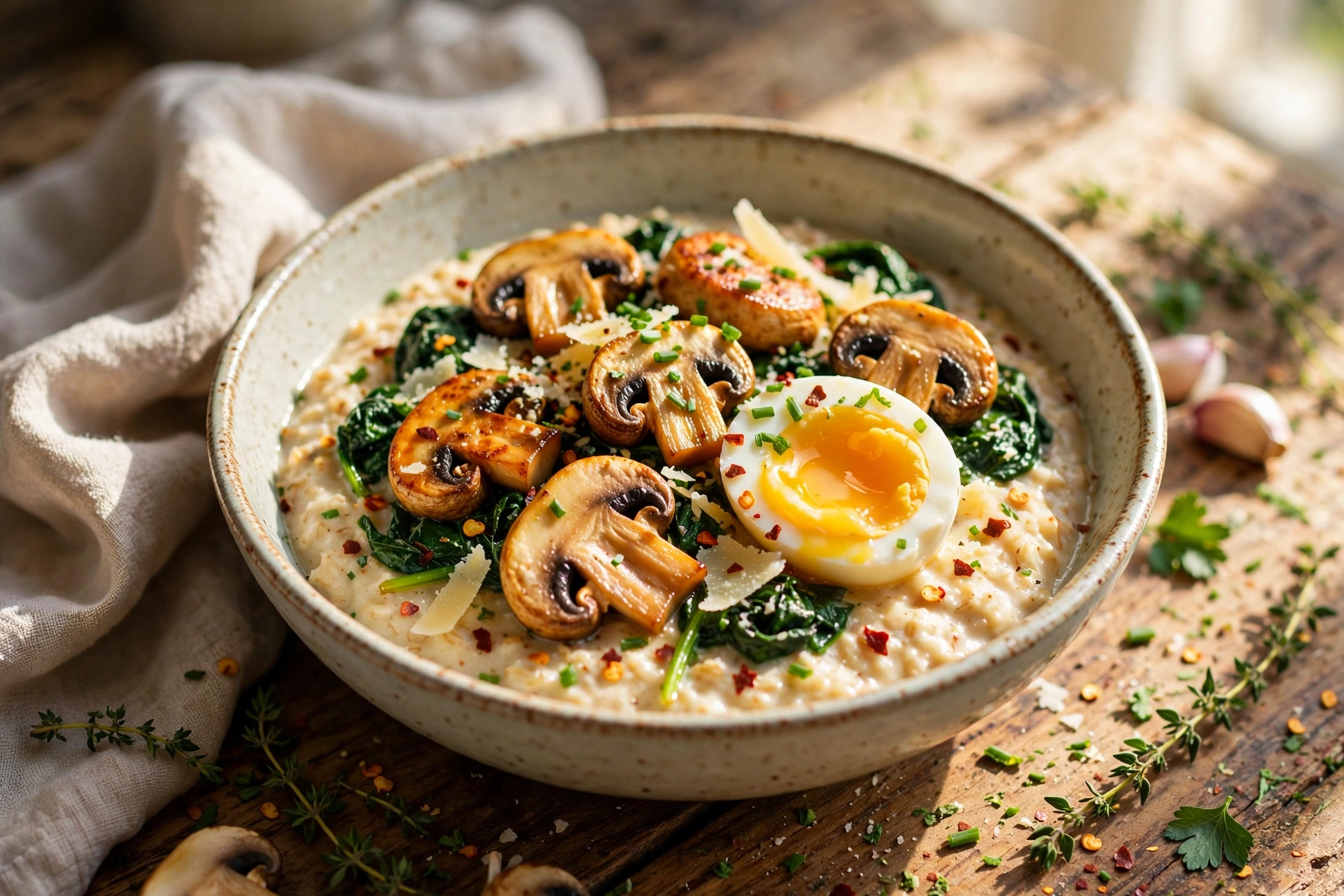
- Oats and mushrooms — Savory Mushroom Oatmeal brings 3.5 mg of zinc in a single breakfast bowl.
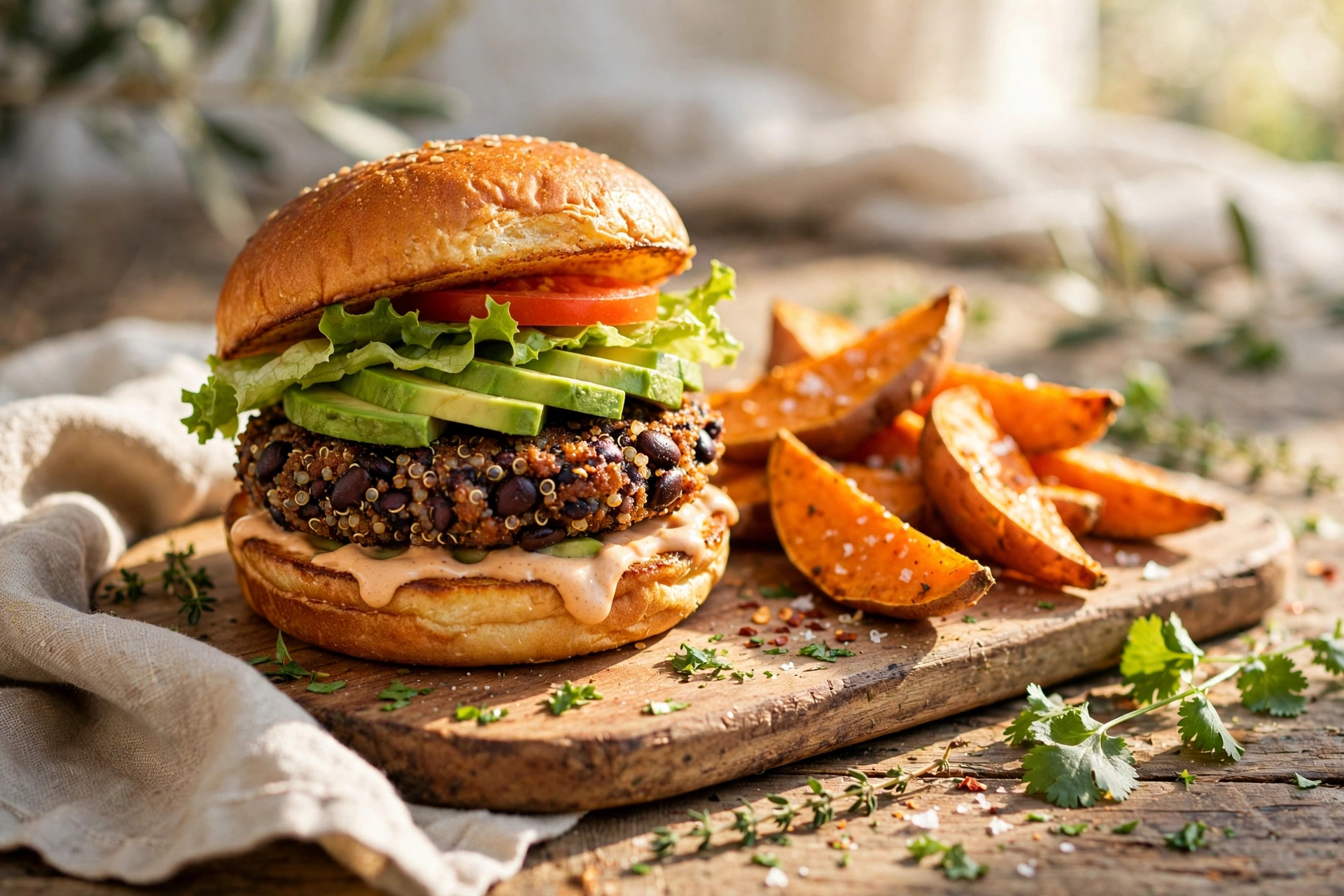
- Black beans and quinoa — Black Bean & Quinoa Burgers pack 3.4 mg of zinc per burger.
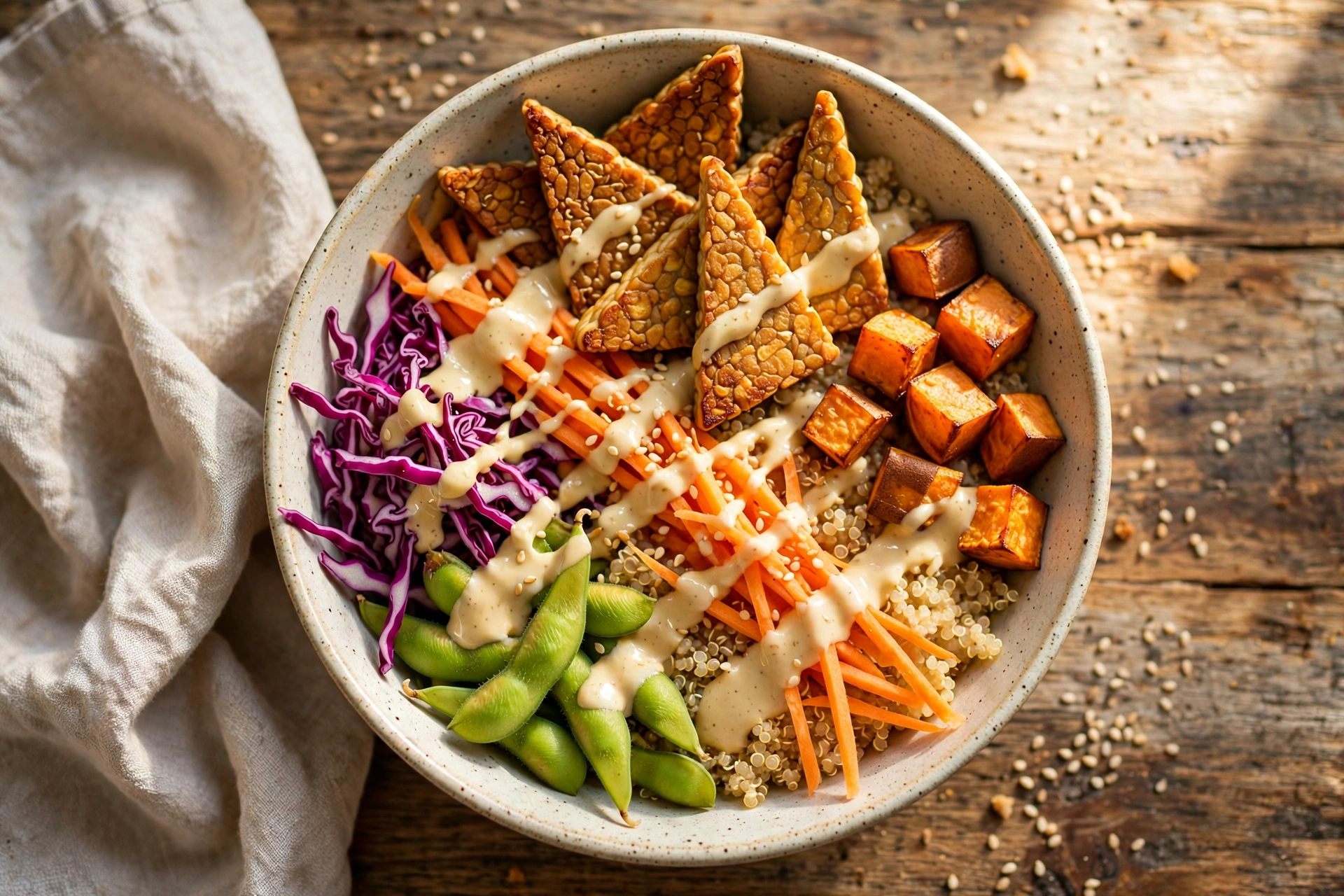
- Tempeh — fermentation has already done some of the unlocking for you; Tempeh Rainbow Buddha Bowl has 3.2 mg per serving.
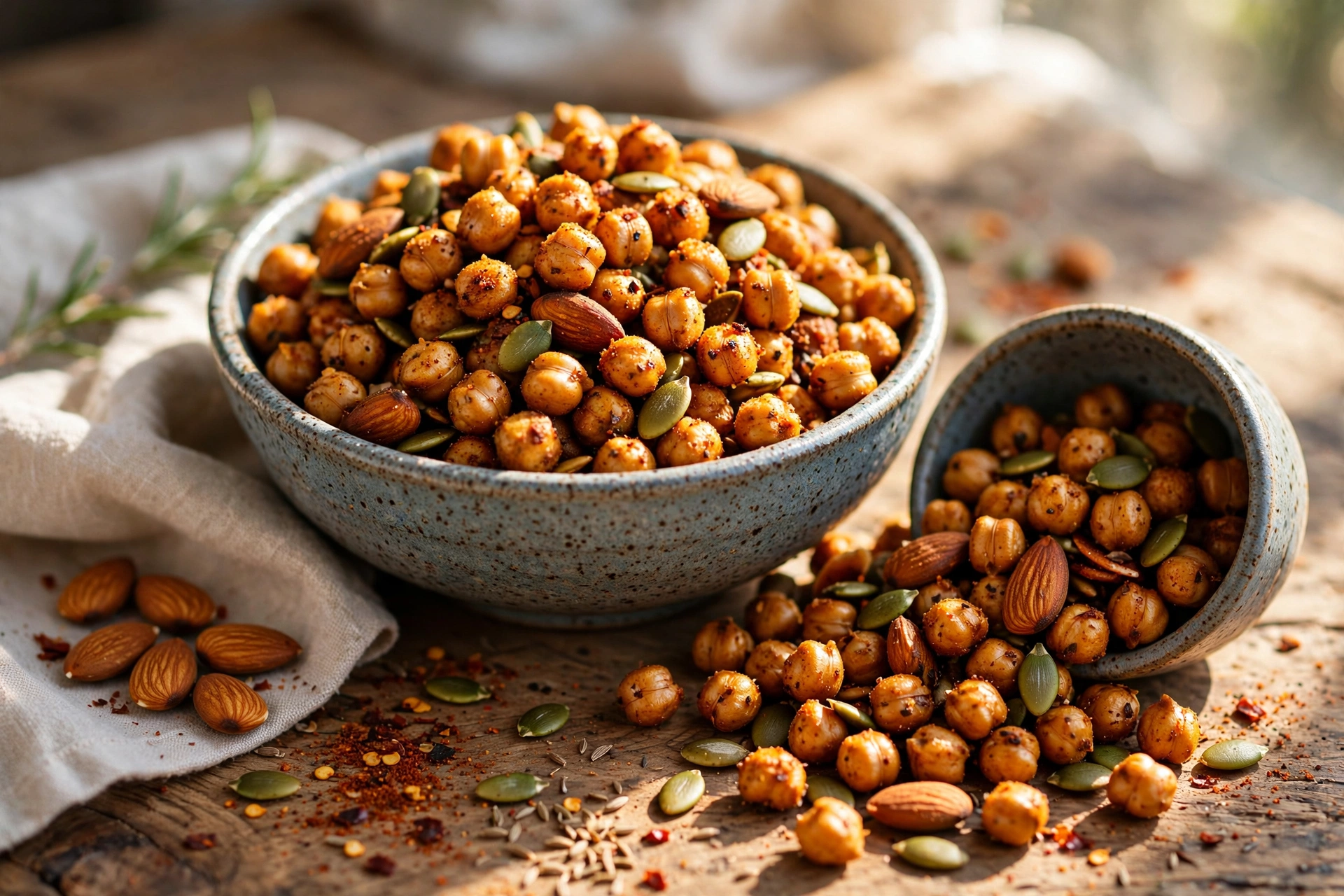
- Chickpeas and pumpkin seeds — Roasted Chickpea Snack Mix gives 2.7 mg per serving. Snacks count.
3 old-fashioned tricks that unlock more zinc
Soak your legumes and grains. Even a few hours of soaking starts breaking down phytates — it is why traditional cuisines soaked beans overnight without knowing the word for it.
Choose fermented foods. Sourdough bread, tempeh and miso have had phytates partially broken down by fermentation before they ever reach you. Tempeh is the double winner: a zinc source and a phytate solution in one.
Eat zinc foods with protein. Amino acids released during digestion help keep zinc soluble and absorbable — one more reason a bean-and-grain bowl beats a lonely side of grains.
What about oysters and meat? (an honest note)
Let us be honest about the scoreboard: oysters and red meat are the most concentrated zinc sources in the food supply, and their zinc absorbs more readily. If you eat meat occasionally, even small amounts help — a flexitarian pattern covers zinc almost by accident.
But this article is for people who have chosen the vegetarian path, and the honest truth is that the gap is closable. The vegetarians who fall short on zinc are usually the ones eating a narrow rotation — pasta, cheese pizza, repeat. Variety is the whole game: legumes most days, seeds daily, whole grains and fermented foods in the mix.
A day of zinc, without thinking about it
Breakfast: Savory Mushroom Oatmeal (3.5 mg). Dinner: Red Lentil Bolognese (4.1 mg). Snack: Roasted Chickpea Snack Mix (2.7 mg). That is about 10 mg before counting anything else you ate — comfortably in range, no meat and no pills.
The weekly zinc shopping list
If your cart regularly holds these, you are probably fine:
- Dried or canned lentils, chickpeas and black beans
- Pumpkin seeds and hemp seeds (keep a jar by the stove)
- Rolled oats or other whole grains
- Tempeh or miso
- A block of firm tofu
Five items, no exoticism
That shopping list is five items. None exotic, none expensive. Zinc sufficiency, it turns out, is mostly a shopping habit — the nutrient takes care of itself once the pantry is right.
The seed habit (the laziest zinc trick)
If you take one habit from this article, make it this: a jar of pumpkin seeds and a jar of hemp seeds, visible, by the stove. Visible food gets eaten. A spoonful over oatmeal, a handful into a salad, a sprinkle on soup — each quietly adds zinc without a single dedicated zinc meal.
This is how nutrient goals survive contact with real life: not through perfect planning, but through environment design. The jar does the remembering for you.
When to check in with your doctor
Slow wound healing, frequent colds or a dulled sense of taste can have many causes — zinc is only one candidate. Do not self-diagnose a deficiency from a blog post, including this one. A simple blood test and a clinician's read beat guessing every time.
Recipes in this article
 40 min
541 kcal4 servings
Red Lentil Bolognese
A meaty-tasting, deeply savory bolognese with zero meat. 24g protein, 21g fiber and 8mg iron per serving — your weeknight pasta just got a promotion.
 25 min
381 kcal2 servings
Savory Mushroom Oatmeal
Creamy oats topped with garlicky mushrooms, wilted spinach and a jammy egg. 22g protein and 4.6mg iron — breakfast for people who never liked sweet oatmeal.
 35 min
493 kcal4 servings
Black Bean & Quinoa Burgers
Crispy-edged, smoky veggie burgers that actually hold together. 22g protein and 14g fiber per burger — the rare veggie burger worth making twice.
 35 min
498 kcal4 servings
Tempeh Rainbow Buddha Bowl
Crispy-edged tempeh, roasted sweet potato and crunchy rainbow veg over quinoa with lemon-tahini. 32g protein and 6.2mg iron — the bowl that made my tofu-skeptic friend a convert.
Frequently asked questions
Do vegetarians really need more zinc than meat-eaters?
Are pumpkin seeds actually high in zinc?
Does cooking destroy zinc?
Can I get enough zinc without supplements?
What is the link between zinc and immunity?
Keep reading
 Iron
IronSeptember 17, 2026 · 4 min read
7 Iron + Vitamin C Food Pairings That Boost Absorption (With Recipes)
Vitamin C can double or triple iron absorption from plant foods. 7 iron + vitamin C pairings with real per-serving numbers — and a recipe for each.
Read article Iron
IronSeptember 17, 2026 · 4 min read
5 Things That Block Iron Absorption (and the Free Timing Fixes)
Tea with dinner can slash iron absorption. 5 common iron blockers — coffee, calcium, phytates — and simple timing fixes that cost nothing.
Read articleIronSeptember 17, 2026 · 3 min read
What to Eat in a Day for Iron: A Simple ~22mg Meal Plan With Recipes
A full day of real meals delivering about 22mg of iron — breakfast, lunch, snack and dinner with per-serving numbers from our recipes.
Read article